Macmillan's Cancer Information Blog

  • Coping with a rare cancer

    Former Member
    Former Member

    Being diagnosed with cancer is one of the scariest, most isolating experiences most people will ever go through. Following any cancer diagnosis, you might feel very alone, like nobody understands what you’re facing.  But if you’ve been diagnosed with a rare cancer, these feelings of isolation can be even more difficult.  This blog contains some tips for coping with a rare cancer, which we hope will help.

    1…
  • Mouth Cancer Action - Learn the symptoms and risk factors

    For Mouth Cancer Action Month, information development nurse Teri writes about symptoms, causes and risk factors and diagnosis of mouth cancer.

    The ease with which most of us can talk and eat is something many of us do not think twice about. However, being diagnosed with mouth cancer can change how easily we carry out these daily actions.

    So, it’s important to be aware of what to look out for. And when it’s important…

  • Head and neck cancer: don’t let eating problems get in the way of your social life

    Former Member
    Former Member

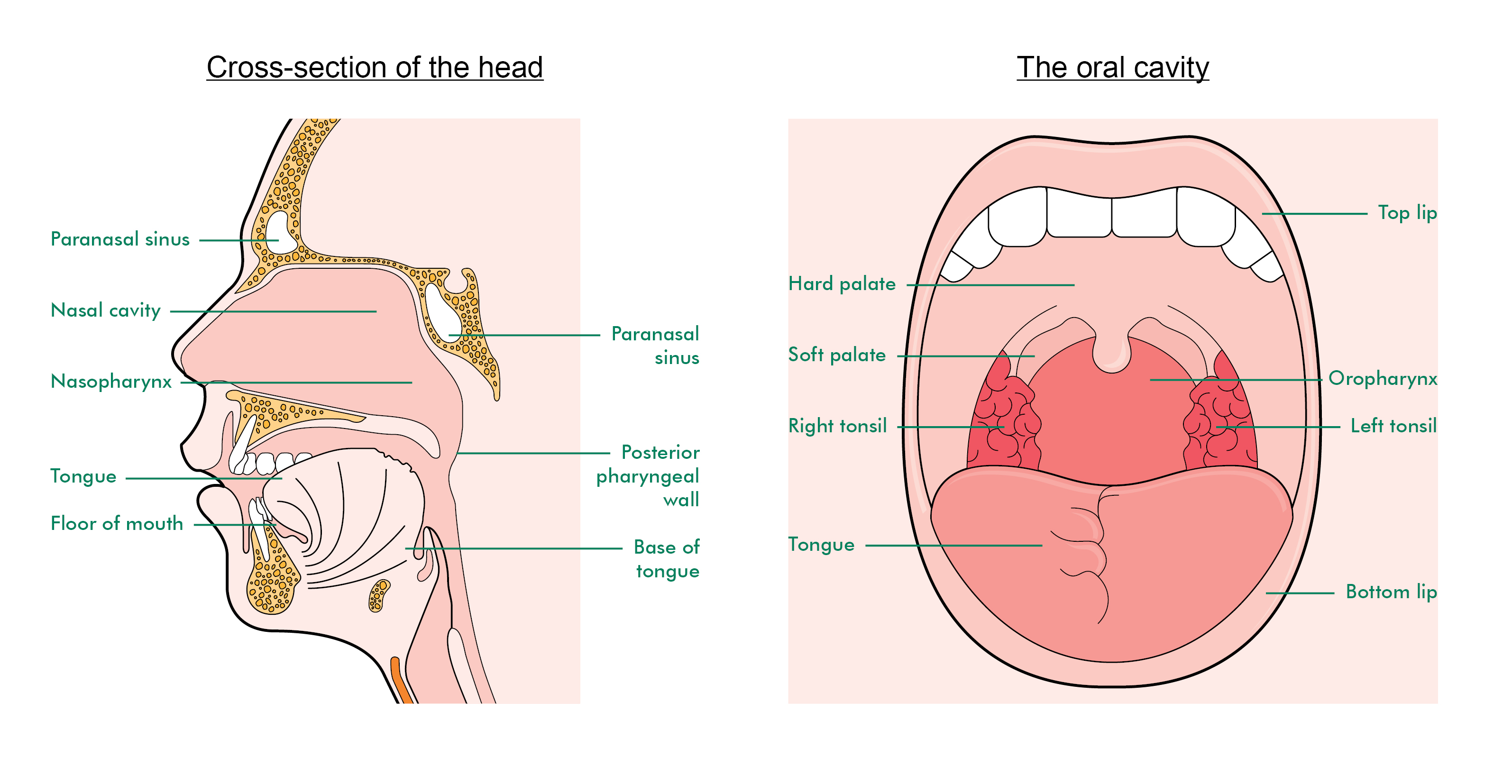
    Head and neck cancer is the seventh most commonly diagnosed cancer, with over 62,000 people living with it in the UK. Cancer can occur in any of the tissues or organs in the head and neck, including the mouth, throat, thyroid or larynx (voicebox). Most head and neck cancers are treated by surgery, radiotherapy, or a combination of both.*

    The illustration on the left shows a cross-section of the head, with the sinuses, nasal cavity, nasopharynx, floor of mouth and tongue labelled. The illustration on the right shows the inside of the mouth, with the lips, hard palate, soft palate, oropharynx, tonsils and tongue labelled.

    Eating and socialising

    Treatment for head and neck cancer can cause problems…

  • Reducing hair loss during chemotherapy

    In this blog, Content Developer Azmina explores the possibility of using a process called scalp cooling during chemotherapy to reduce or prevent hair loss.

    Some cancer treatments can cause hair loss or thinning, and this affects people in different ways. Our hair can be an important part of our appearance and identity. For some, losing their hair is one of the most distressing parts of having treatment. For others, it…

  • Skin Cancer Awareness Month – signs, symptoms and sun protection

    Former Member
    Former Member

    May is Skin Cancer Awareness Month. In this blog, Cancer Information Nurse Teri looks at the symptoms of skin cancer and highlights ways that you can protect yourself in the sun.

    The incidence of skin cancer has increased over the last 10 years and is now the most common form of cancer in the UK. Skin cancer is also one of the most preventable types of cancer. One of the biggest risk factors of skin cancer is being exposed…