July 23 2021
At my last hospital appointment I dropped off some honey for the two consultants who look after me. I said I’d update the blog with a little info so especially for Mr Kittur here is a glimpse at where your honey comes from. If there are any beekeepers reading this it’s just a simple glimpse into my bees.
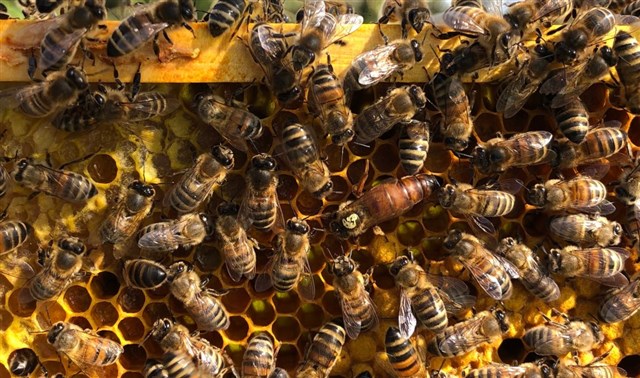
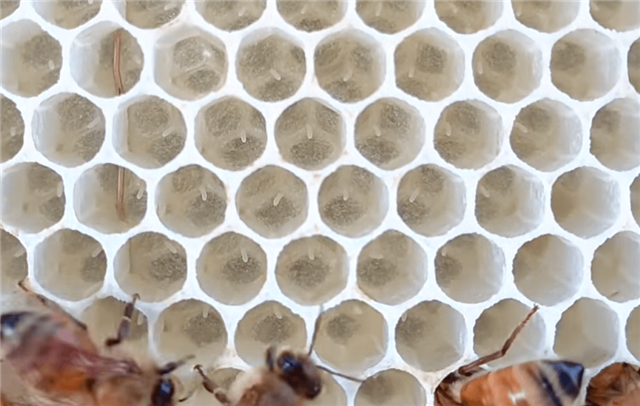
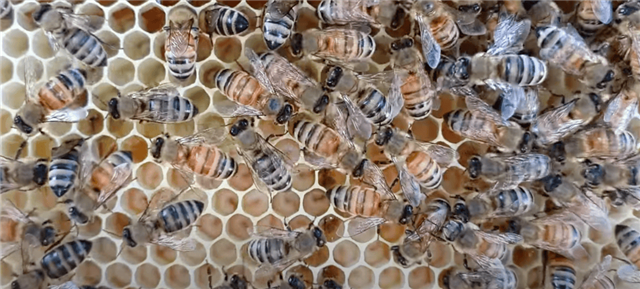
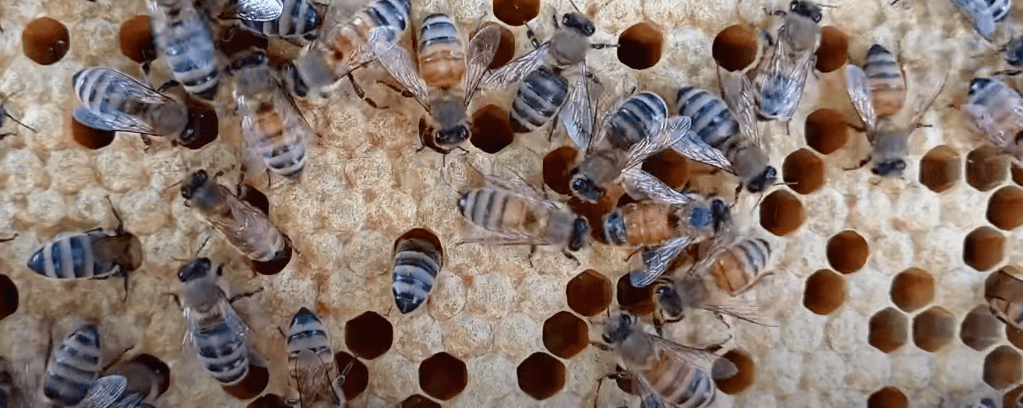
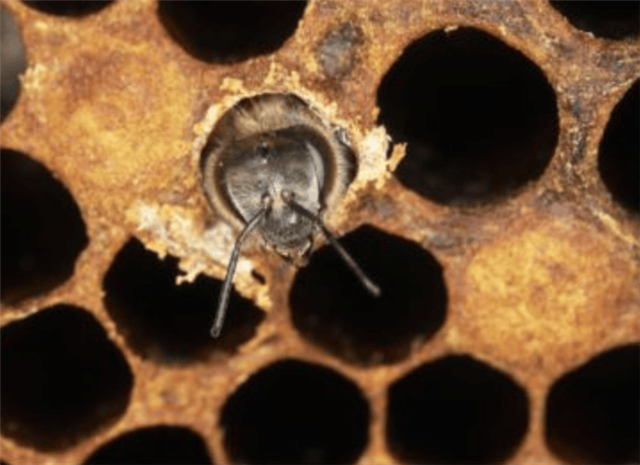
Some shots from the hive. Top we have one of our queens. She has a white mark on her….wearing off…. to help us spot her quickly amongst the thousands of daughters and sons in the colony. She lays eggs in the honeycomb which hatch into larvae that look like little white commas and when these are ready to pupate the bees seal the cells with a mixture of wax and propolis and that white grub changes into a bee which emerges 12/13 days later into the dark warm hive where she will live for three weeks before she flies to collect pollen and nectar.
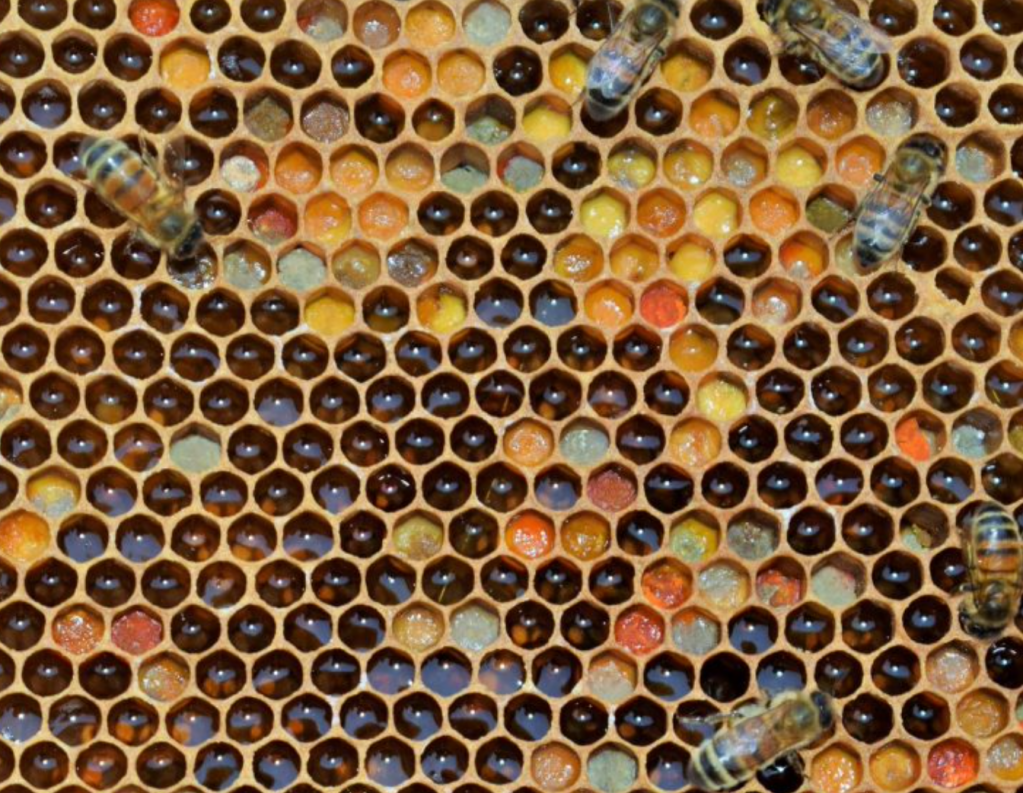
Cells full of nectar and different coloured pollens
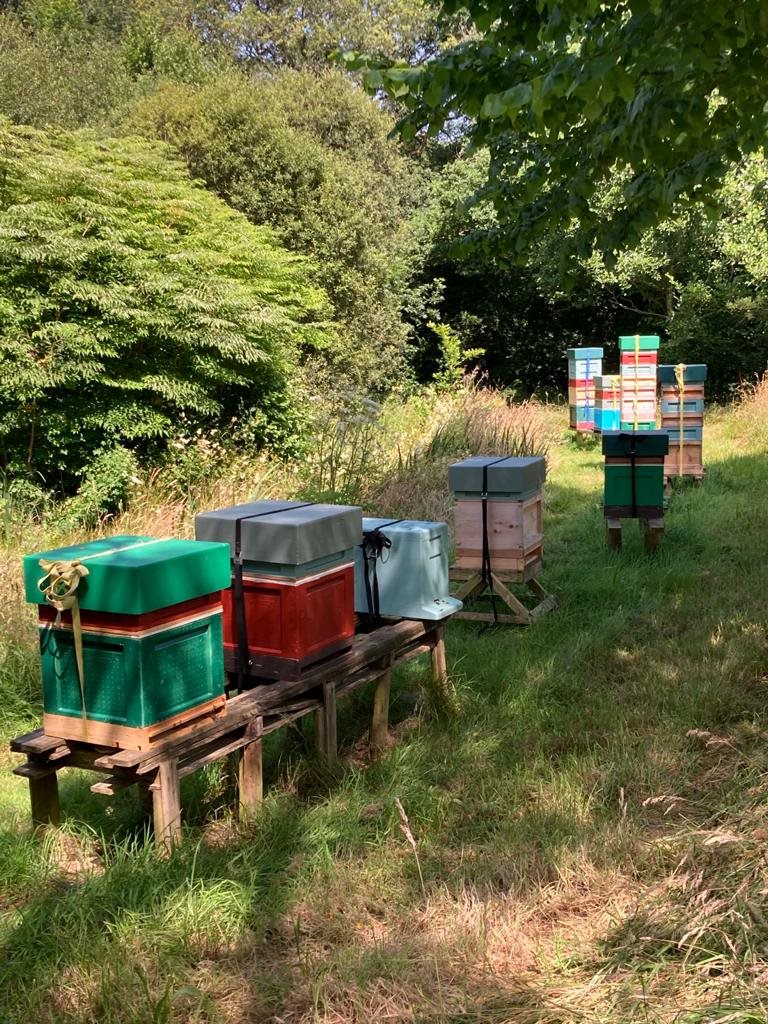
This is the Apiary in July. The hives producing honey are at the back and the five in the foreground have new queens. As you can tell…I’m pretty disorganised and not really into coordinated colours here. There is a real mish mash of wood and polystyrene and different colours. A kaleidoscope of boxes.
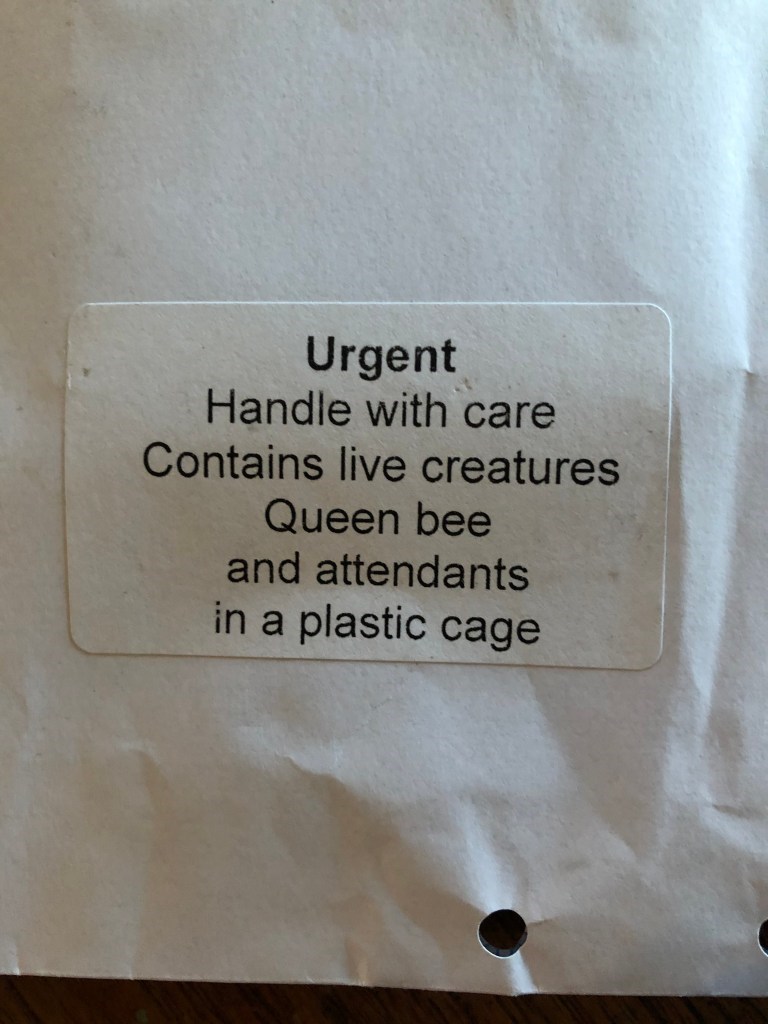
This year we have new genes in the Apiary. Exciting times await
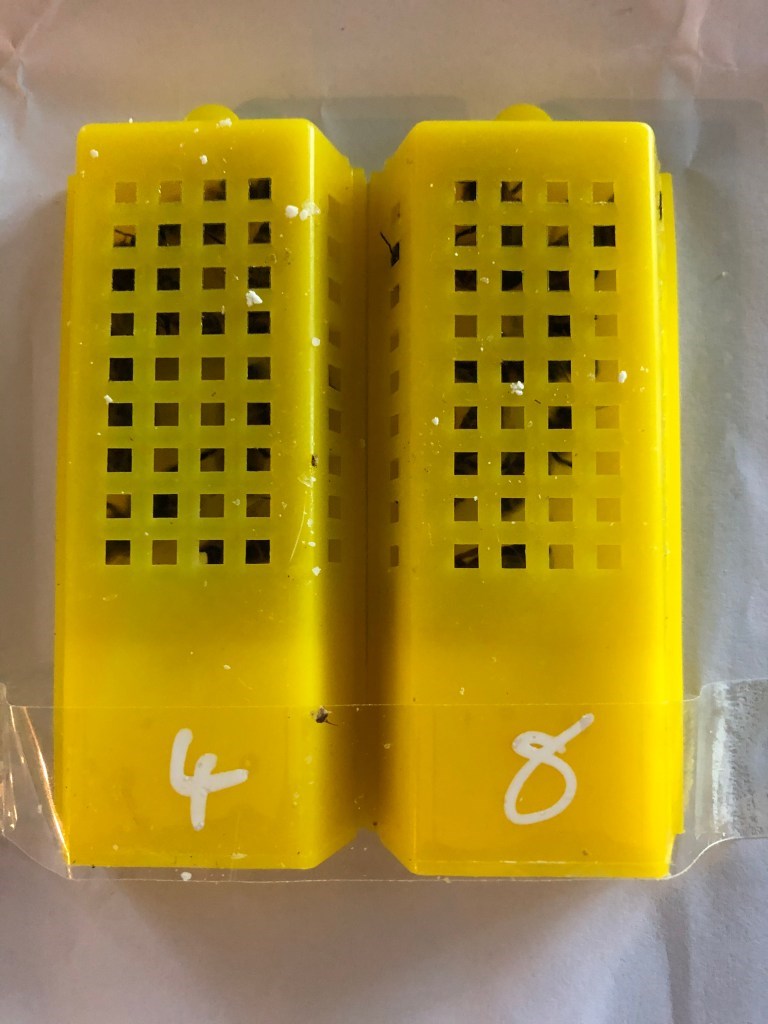
Two queens delivered by Royal Mail. £40 each!
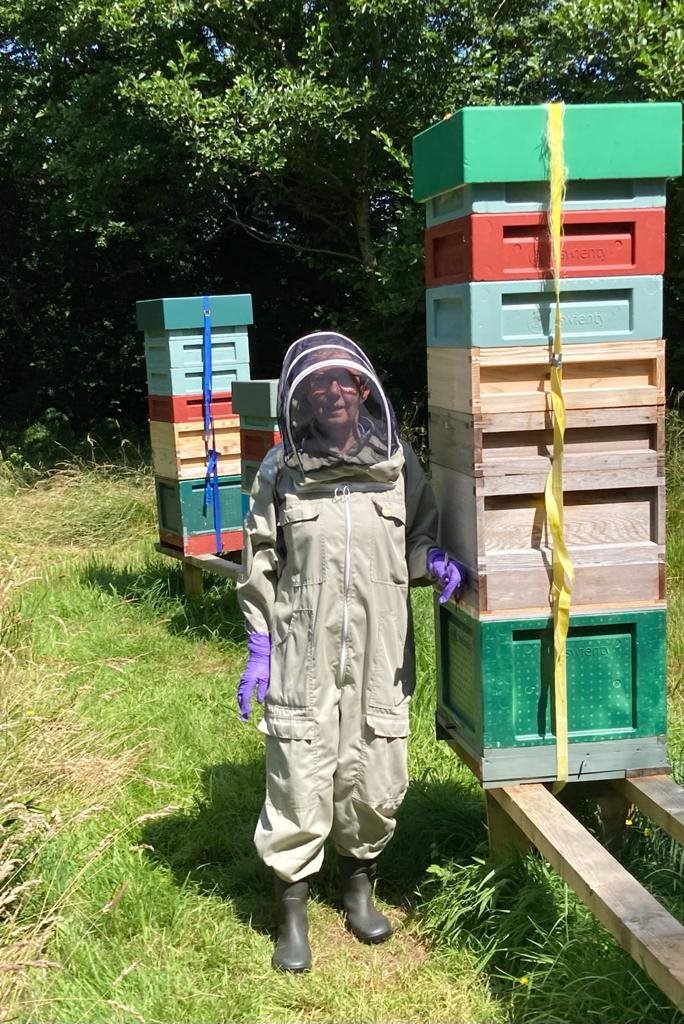
This is one of our better colonies. There is potentially 200lb of honey stacked up next to me. Time will tell when we take it off the hive at the end of August. Most of it will be from Bramble, Rosebay Willow Herb and Clover.
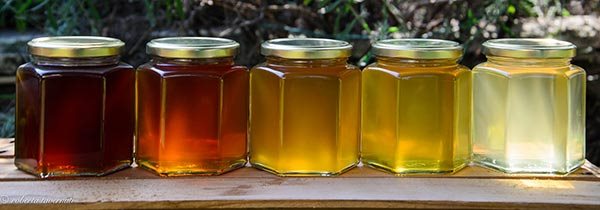
Honey varies in colour and taste depending on where the bees forage. In spring Hawthorn nectar produces an amber coloured, toffee flavoured honey and dandelion a paler one that crystallises quickly, smells of sweaty socks but tastes wonderful….a sort of Durian of the honey world. In the summer clover gives you a perfumed pale honey and Rosebay a pale straw coloured one.
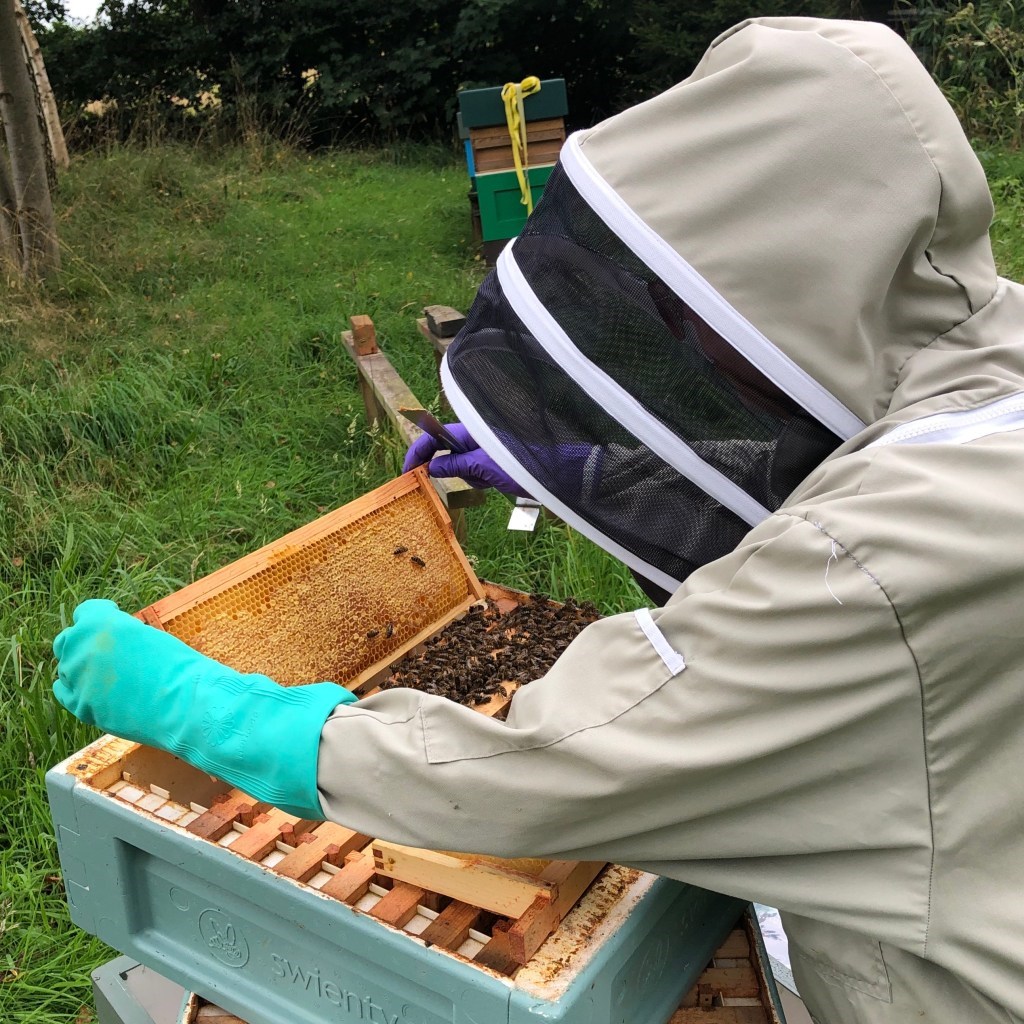
Last but not least, watch two new queens emerging one after the other. If you look closely you’ll see another running around. They are hungry. The first thing they do is dive into a cell to feed. (Watch the video below)