
Macmillan's Cancer Information Blog

  • Bringing you cancer information in different languages

    Former Member
    Former Member

    For anyone, a cancer diagnosis can leave you feeling confused, isolated and powerless. Being able to arm yourself with information can be empowering – it’s one thing you can do to help yourself feel a little more in control. It can help you understand what’s happening and what happens next. It gives you the knowledge to make decisions about your treatment. It can give confidence, hope and support. But what happens if…

  • Helping people feel less alone with our cancer information

    Former Member
    Former Member

    Photograph of a woman in the isolation box at Paddington station

    You may have seen our isolation box in Paddington station in London last week. This gave people the experience of being alone in a crowd. We know that lots of people affected by cancer feel alone, and we hope that our range of cancer information goes some way to showing people that we are here for them.

    The Cancer Information Development team at Macmillan does certainly produce a lot of information – over 160 printed…

  • Sex, relationships and fertility – support for young people affected by cancer

    Former Member
    Former Member

    Sex and relationships are important. Macmillan knows that cancer can have a big impact on them.

    If you’re a teenager or young adult when you are told you have cancer, it will have a big impact on the decisions you make. Everyone will have different priorities. You may be worried about how cancer and its treatment might affect your relationships or sex life. You may have questions about fertility issues, perhaps during…
  • Easy relaxation tips

    Former Member
    Former Member

    Practising relaxation techniques can help you cope with the side effects of cancer, such as anxiety, breathlessness and fatigue.

    Relaxing

    As you cope with the effects of cancer, you may feel like it’s difficult to relax. It could help to do some relaxation exercises to ease your anxiety, to help with breathing or just to take your mind off things. Relaxing could also help you if you’re having trouble sleeping.…

  • Head and neck cancer: don’t let eating problems get in the way of your social life

    Former Member
    Former Member

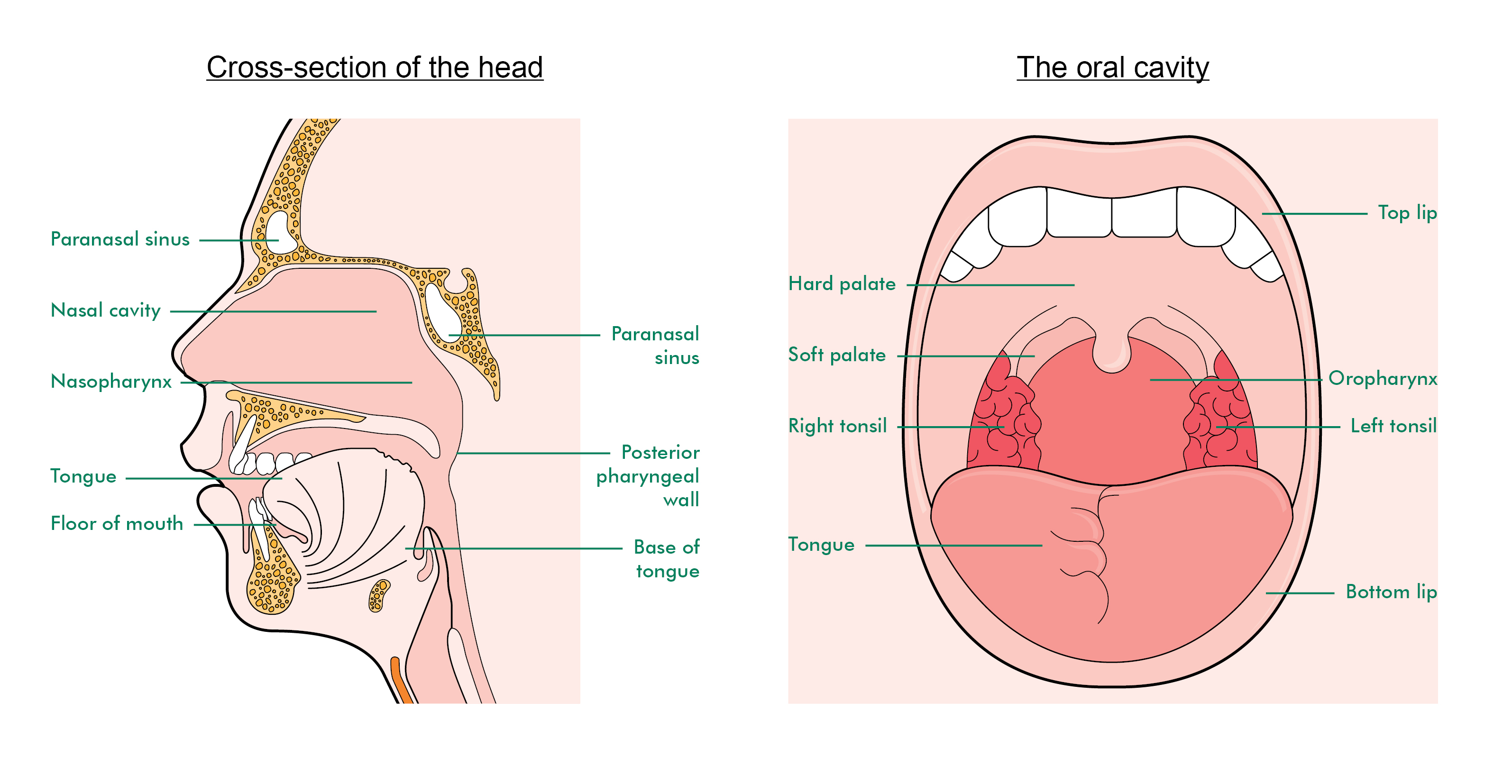
    Head and neck cancer is the seventh most commonly diagnosed cancer, with over 62,000 people living with it in the UK. Cancer can occur in any of the tissues or organs in the head and neck, including the mouth, throat, thyroid or larynx (voicebox). Most head and neck cancers are treated by surgery, radiotherapy, or a combination of both.*

    The illustration on the left shows a cross-section of the head, with the sinuses, nasal cavity, nasopharynx, floor of mouth and tongue labelled. The illustration on the right shows the inside of the mouth, with the lips, hard palate, soft palate, oropharynx, tonsils and tongue labelled.

    Eating and socialising

    Treatment for head and neck cancer can cause problems…